
Eikev
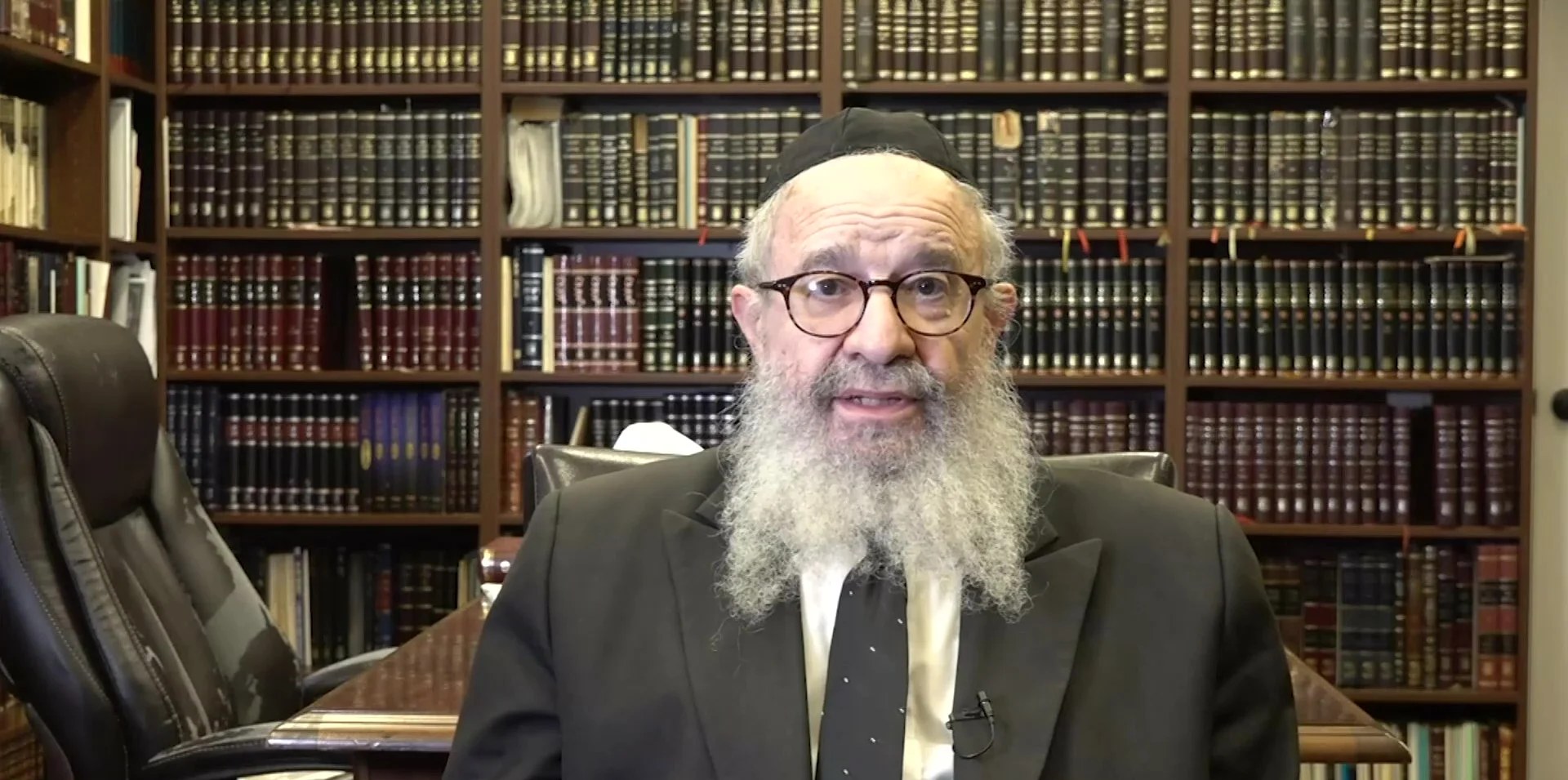
Rabbi Schapiro on the Parshah: Eikev
Explores the pasuk's puzzling claim that Hashem 'made you hungry' specifically by feeding the mon, tracing why this heavenly bread, unlimited in taste and lacking any waste, left Bnei Yisrael feeling perpetually unsatisfied and insecure. Shows that the mon's two extremes, the richest food possible yet a source of poverty, both stem from its being lechem min hashamayim, a godly and therefore limitless thing that a limited human being can never fully grasp or own. Draws the same distinction between secular chochmah, which satisfies and inflates the ego because it is finite, and Torah, whose limitlessness leaves a person hungry for more and brings him instead to anivut and bitul.
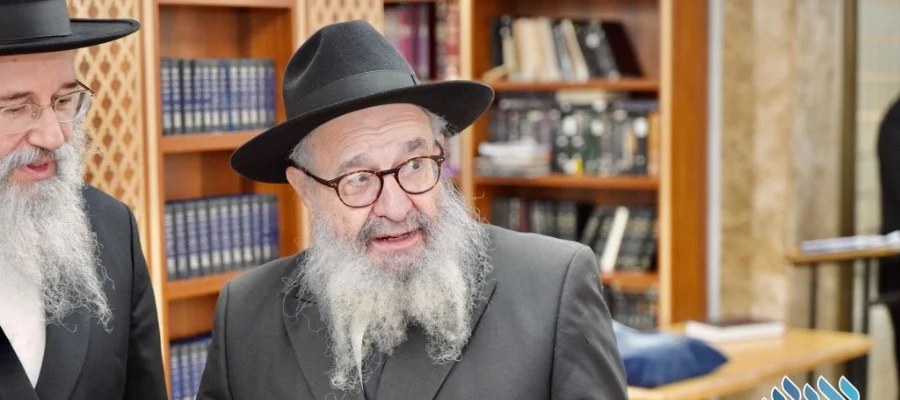
A Vort From the Rebbe: Ekev
Moshe Rabbeinu's odd description of grabbing onto the Luchot he was already carrying, just before smashing them upon seeing the Golden Calf, is explained as a deliberate act of nullifying the partial ownership the Yidden had already acquired once he'd resolved to give the Luchot to them — making the Luchot fully his own so that breaking them raised no question of damaging someone else's property. On a deeper level, tied to Rashi's comment on why the Aseres Hadibros were phrased in the singular, the vort shows that Moshe wanted sole responsibility for the broken Luchot, absorbing all the blame himself out of mesirat nefesh for a nation he wasn't even present to protest for.
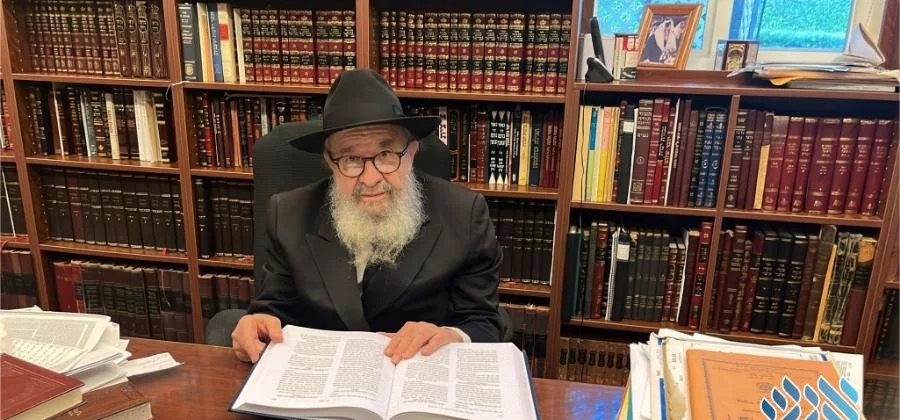
Parshas Eikev
A vort on Parshas Eikev exploring the Torah's promise of love, blessing, and abundance as reward for carefully keeping even the mitzvos people tend to treat lightly.