Chayei Sara
Featured Shiurim
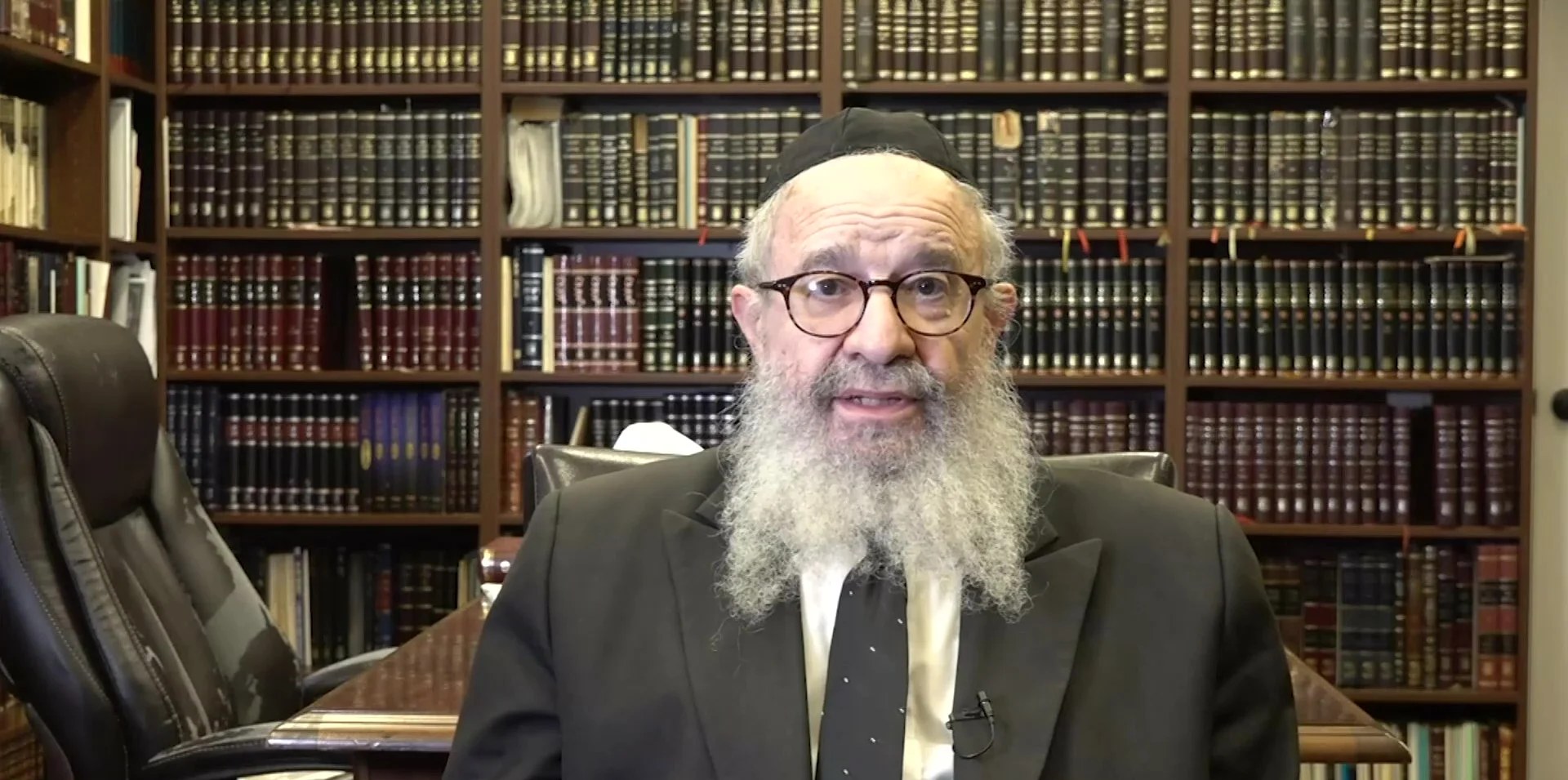
Farbrengen: Yud Beis Tammuz, with Rabbi Yossi Lew (5780)
A virtual Yud Beis–Yud Gimmel Tammuz farbrengen with Rabbi Yossi Lew: the Frierdiker Rebbe's mesirus nefesh in Russia and America, stories of underground shlichus in the Soviet Union, a Kraków farbrengen, memories of the Rebbe's farbrengens and niggunim, and connecting to the Rebbe today.

פעולה נמשכת בתורת הרוגאטשובי ובתורת הרבי: הדרן על מסכת סנהדרין (תשפ״א)
A shiur in Hebrew on the Rebbe's hadran on Maseches Sanhedrin (Likkutei Sichos vol. 17, Kedoshim 1) and the Rogatchover's concept of pe'ulah nimsheches — an action whose effect continues — applied to theft, kiddushin, hekdesh, milah, and yetzias Mitzrayim.
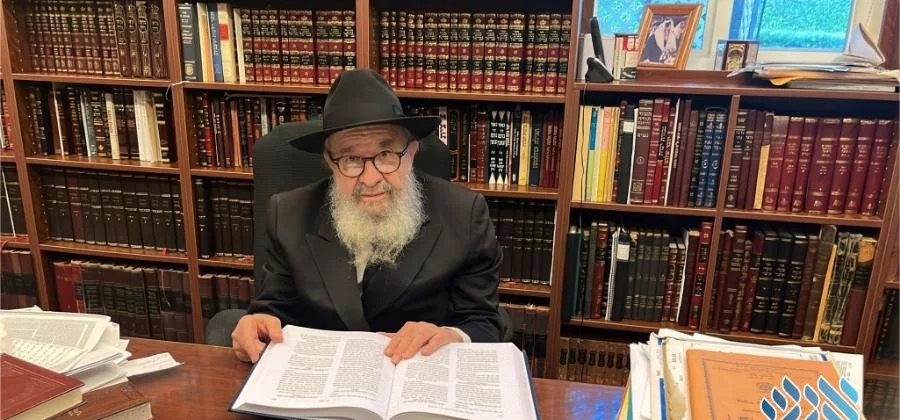
Likkutei Sichos: Vaeschanan 1, Chelek 14 — Hadran on Maseches Shabbos
The Rebbe's hadran on Maseches Shabbos (Shabbos Parshas Shlach 5722), printed in Likkutei Sichos vol. 14, Vaeschanan. Why the Mishnah ends with plugging, measuring, and tying, the Rambam's two categories of rabbinic prohibitions, and the Chassidic meaning of the sequence.
Cheshvan
Month of Cheshvan: Part 1
The Midrash's account of Cheshvan losing its chance at the first chanukat habayit, and Hashem's promise to repay the month with the dedication of the third Beit HaMikdash, opens into a study of how Hashem's desire for a dwelling place in the lowest world unfolded in stages. The Mishkan's revelation from above, built of tzomeach and chai, is contrasted with the Beit HaMikdash's stone construction and lasting kedushah, and the tzaddik-built first Beit HaMikdash is contrasted with the second, built by baalei teshuvah whose aveiros-turned-merits let kedushah penetrate deeper than any tzaddik reaches. The third Beit HaMikdash, to be dedicated in Cheshvan, will complete that descent into the very lowest depths of the physical world.
Month of Cheshvan: Part 2
Tishrei's month-long immersion in ruchniyus, from the Yamim Noraim through Sukkot and Simchat Torah, gives way each year to Cheshvan's return to ordinary life, marked by an old communal custom of announcing that 'Yaakov went on his way.' That phrase is unpacked on two levels: leaving the 'derech Hashem' of Torah and mitzvot for one's own daily affairs, and the deeper charge to make even eating, business, and mundane activity distinctly a Yid's own way, l'shem shamayim. A further layer ties Yaakov's departure from Lavan to the libun ha'avonot of the Yamim Noraim, framing the move into Cheshvan as a continuation of the year's forgiveness rather than a break from it.
Month of Cheshvan: Part 3
A puzzling shift in Shlomo HaMelech's words at the completion of the first Beit HaMikdash, from Hashem's choice of a city to His choice of David as king, is traced through the Radak and the Zohar to show that the bechirah in Yerushalayim actually depends on the prior bechirah in David. Because Yerushalayim's kedushah is a bechirah netzachit, an eternal choice that a physical place cannot hold on its own, the analysis explains why it needed a vessel for eternity: David HaMelech, whose malchus was promised forever because of his complete bitul to Hashem. That netzchiyus in David is what allows Yerushalayim, as Ir David, to become the one eternal site of the Beit HaMikdash.