
Vayikra

Likkutei Sichos 3 — Why a Doubtful Sin Costs More to Atone For
Explores the Asham Talui (guilt offering for a doubtful sin), why it's pricier than a regular chatas, and what an unintentional sin reveals about a deeper spiritual flaw.

Rabbi Schapiro on the Parshah: Vayikra
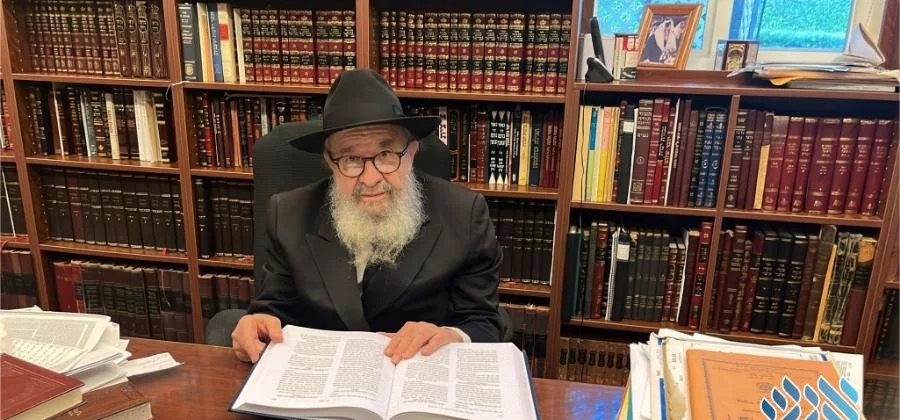
Parshas Vayikra's korban chatat and korban asham talui set up a puzzle: the asham talui, brought only for a doubtful aveirah, must be worth many times more than the chatat brought for a certain one. The shiur traces this to how deeply an aveirah done unknowingly -- and left unresolved -- is rooted in a person's nature, and why the physical size of a korban itself helps remove that deeper blemish.
Parshas Vayikra
A vort on Parshas Vayikra exploring Rashi's comment that Hashem's calling to Moshe before every command was a unique sign of affection.

Parshas Vayikra
A vort on Parshas Vayikra exploring Rashi's comment that Hashem's calling to Moshe before every command was a unique sign of affection.

Parshas Vayikra
A vort on Parshas Vayikra exploring Rashi's comment that Hashem's calling to Moshe before every command was a unique sign of affection.
Parshas Vayikra
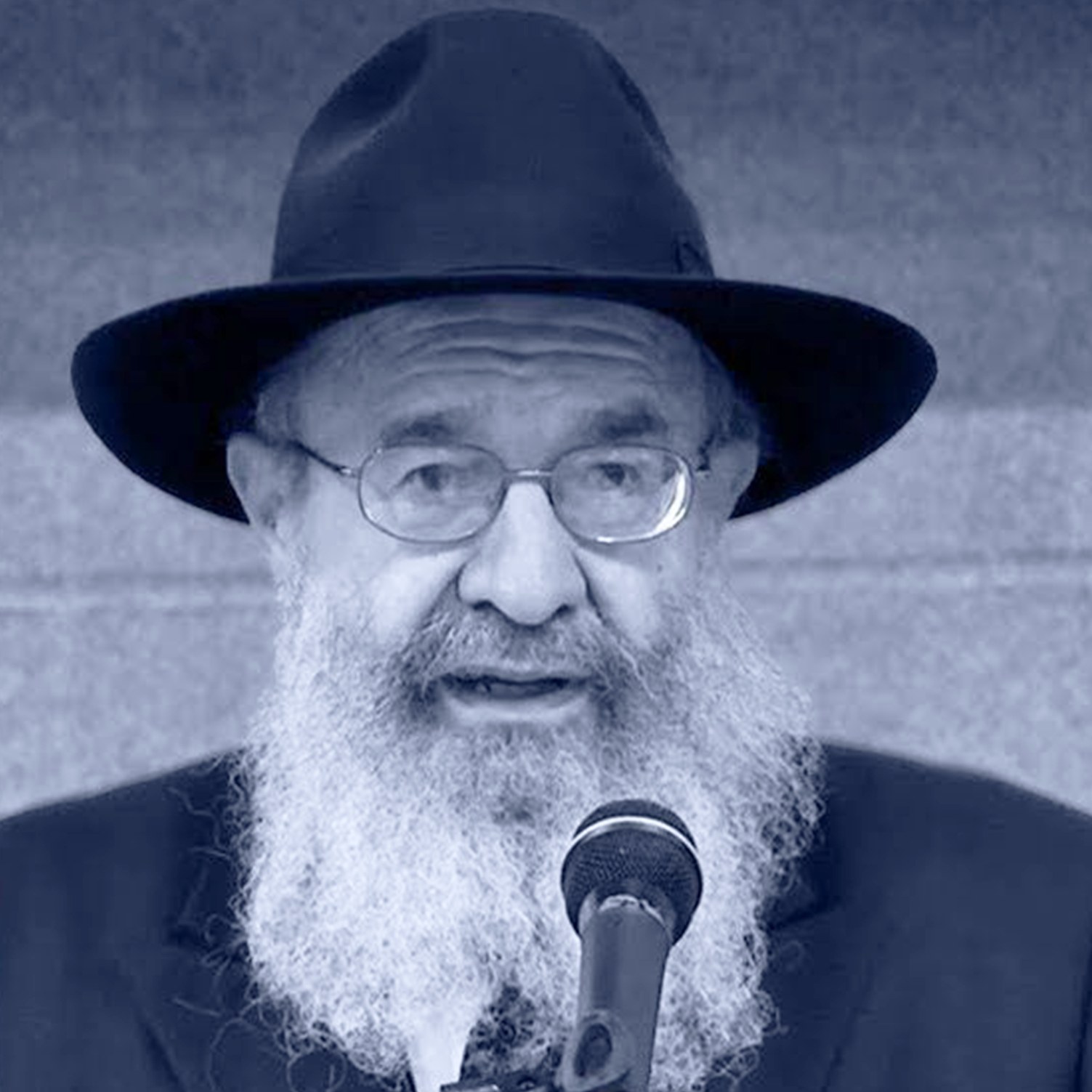
A vort on Parshas Vayikra exploring Rashi's comment that Hashem's calling to Moshe before every command was a unique sign of affection.
Parshas Vayikra
A vort on Parshas Vayikra exploring Rashi's comment that Hashem's calling to Moshe before every command was a unique sign of affection.
Parshas Vayikra
A vort on Parshas Vayikra exploring Rashi's comment that Hashem's calling to Moshe before every command was a unique sign of affection.
Parshas Vayikra
A vort on Parshas Vayikra exploring Rashi's comment that Hashem's calling to Moshe before every command was a unique sign of affection.
Parshas Vayikra
A vort on Parshas Vayikra exploring Rashi's comment that Hashem's calling to Moshe before every command was a unique sign of affection.