
Vayetzei
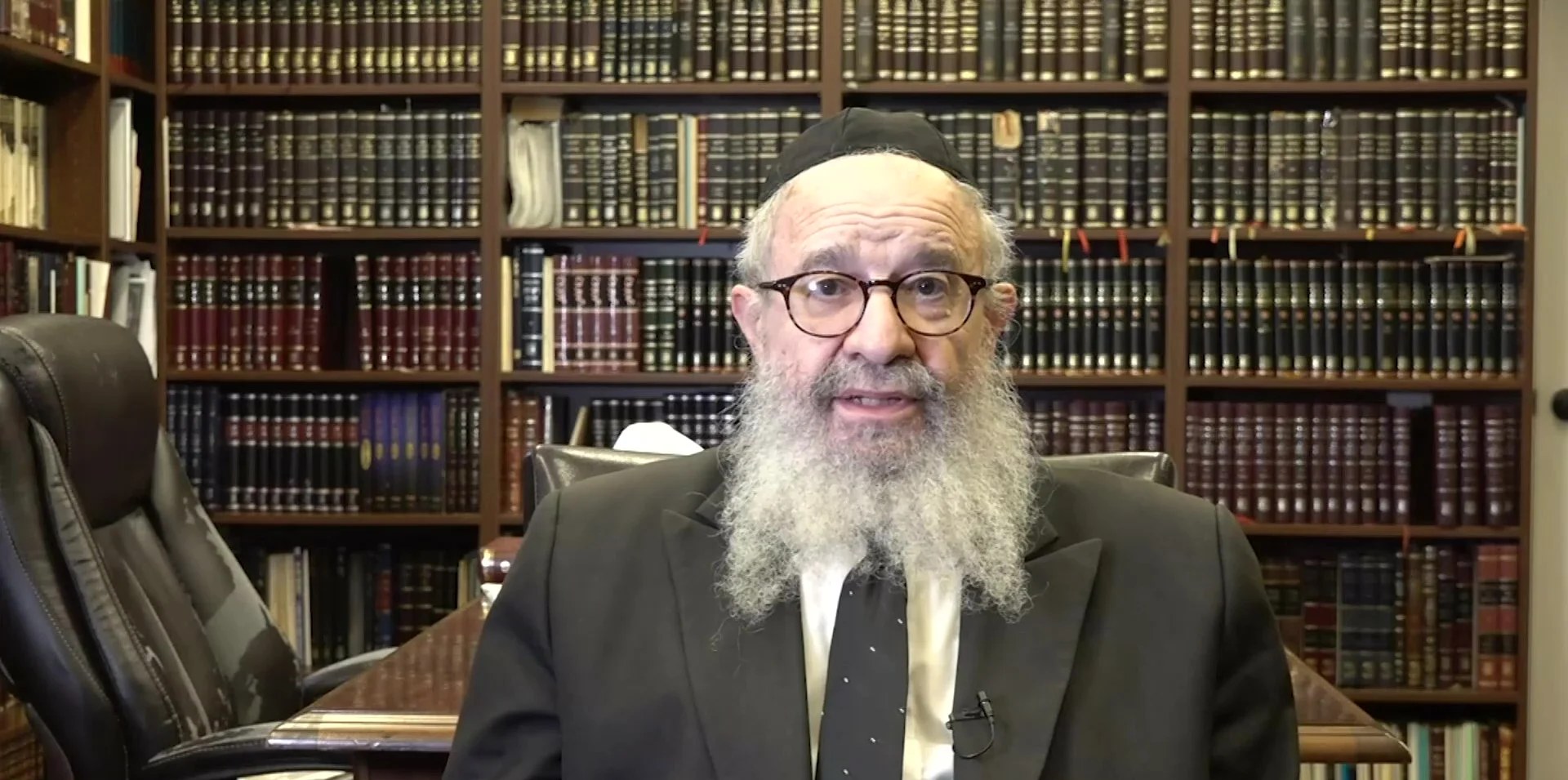
Why Yaakov's True Home Is Linked to Zevulun's Business
A chassidic class on why Yaakov's main dwelling is associated with Zevulun (a businessman) rather than Yissachar (a scholar), and how honest business itself becomes a spiritual achievement.
Mashiach, Zevulun, and the Eternal Dwelling
Continues the Zevulun theme -- how a businessman's faithful service, tested through Shabbos observance, becomes part of the eternal dwelling for the Divine in this world.

Why Leah Merited the Most Children
Covers etiquette around the Rebbe, the first melacha of plowing and sowing, a husband's obligation of marital intimacy, and why Leah's request earned her exceptional children.

Rabbi Schapiro on the Parshah: Vayeitzei
Angels who accompany a person in Eretz Yisrael can't cross into Chutz La'aretz, yet at the end of the parshah they leave Eretz Yisrael to greet Yaakov on his way home. A look at how Yaakov's years of work in Charan quietly turned the place he was exiled to into an extension of Eretz Yisrael itself.

For the newsletter Parshas Vy'etzei
A short devar Torah on Lavan's declaration to Yaakov, read as the voice of the yetzer hara pressuring a Jew to modernize how he raises his children and to bend the rules in business. Because Yaakov refused to listen, he merited raising the shevatim — a model for building a family Hashem can be proud of.
Parshas Vayeitzei
A short Yiddish devar Torah on Rashi's comment that Yaakov instituted Maariv, addressing the apparent contradiction between the order in which the Avos instituted the three tefillos and the halachic principle that night follows day. The resolution distinguishes two dimensions of tefillah — bittul to Hashem and requesting one's needs — and maps the order of kodashim onto the order in which the Avos prayed.
Parshas Vayeitzei
A devar Torah on Rashi's comment that Yaakov surrounded his head with stones out of fear of wild animals, addressing why he protected only his head rather than his entire body. Drawing on the pasuk yegia kapecha and a well-known story about a chossid of the Rebbe Rashab, it explains that the hands may be immersed in earning a living, but the head must stay anchored in Torah — with the stones themselves, as domem, representing the bittul that keeps it that way.
Parshas Vayeitzei
This devar Torah examines Rashi's comment that Yaakov built a stone barrier around only his head before sleeping, using the pasuk yegia kapecha to explain why involvement in earning a livelihood belongs to the hands while the head stays devoted to Torah and avodas Hashem. The Rebbe Rashab's sharp remark to a chossid absorbed in his galoshes business, and the choice of stones — domem, representing bittul — drive the point home.
Parshas Vayeitzei
Explores the Ohr HaChaim's reading of Yaakov's journey from Be'er Sheva to Charan as a parable for the neshamah leaving its source beneath the Kisei HaKavod and descending into this world. Distinguishes the revealed light a neshamah loses on the way down from the essential bond to Hashem that only deepens through Torah and mitzvos performed here below, framing the descent as a yeridah l'tzorech aliyah bound up with the mission of dirah b'tachtonim.
Parshas Vayeitzei
Unpacks Rashi's proof that Yitzchak had no more yetzer hara once his eyes weakened, and the question of why blindness alone would stop him from sinning. The resolution traces his blindness to the ketores of Eisav's wives' avodah zarah, arguing that a tzaddik with eyes too pure to see evil could physically not perceive it, illustrated through Reb Nochum Chernobyler's refusal to see either treif milk or a lit Shabbos candle.
Parshas Vayeitzei
Works through the apparent contradiction between the pasuk listing tefillah as erev, boker, and tzohorayim, and the fact that Yaakov, last of the Avos, established the last tefillah, Maariv. Resolves it by splitting davening into its bittul component, tied to the order of kodashim where night follows day, and its bakashas tzarchei component, tied to maaseh bereishis where day follows night, so Maariv is correctly both first and last depending on the angle.
Parshas Vayeitzei
Works out why Yaakov, who didn't sleep for fourteen years in Shem v'Ever's yeshivah or twenty years by Lavan, was made to sleep specifically in this holy place. Reads a body lying flat, head and feet at the same level, as a picture of tachlis habitul, the recognition that before Hashem there is no higher or lower, and connects Yaakov's 'I didn't know' to a level above daas itself, sent as preparation for surviving Lavan's house.
For the newsletter Parshas Vy'etzei
Reads Lavan's assertion of ownership over Yaakov's family and flock as the yetzer hara's ongoing argument for raising children in a modern, unaffiliated way and running a business without regard for halacha. Credits Yaakov's refusal to listen with his merit to father the Shevatim, and frames that same refusal, raising a family the old-fashioned, Torah-true way, as a path that hastens the coming of Moshiach.
Parshas Vayeitzei
Delivered entirely in Yiddish, this works through the same question as the English tellings of this vort: how Maariv can be the last tefillah established when tefillah itself is described starting from the evening. Separates davening's bittul quality, tied to the order of kodashim, from its bakashas tzarchei quality, tied to the order of the days of creation, showing how both orders hold true from their own angle.
Parshas Vayeitzei
Works through the question of why Yaakov protected only his head from wild animals rather than his whole body, resolving it through the pasuk yegia kapecha ki tochel: toil belongs in the hands, not the head. Includes the story of the Rashab's chossid so absorbed in his kaloshen business that he was told, 'I've heard of feet in galoshes, never a head in galoshes,' and closes by reading the stones themselves as domem, a picture of the bittul that keeps parnasah from taking over a person's inner world.
Parshas Vayeitzei
Raises the same question of why Yaakov protected specifically his head rather than his whole body, and answers it through yegia kapecha: toil confined to the hands while the head stays immersed in Torah and mitzvos. Retells the Rashab's line to a chossid too consumed by his galoshes business, and reads the stones Yaakov used as domem, a symbol of the bittul that guards the head from being overtaken by gashmiyus.
Parshas Vayeitzei
Traces the Ohr HaChaim's parallel between Yaakov leaving Eretz Yisrael for Charan and a neshamah leaving its place beneath the Kisei HaKavod for a physical body, with Charan read as a hint to Hashem's chron af, the place where Godliness is hidden. Separates the giluy a neshamah loses on descent from the etzem connection to Hashem that intensifies precisely down here, making the point that a dirah b'tachtonim built through mitzvos raises the neshamah higher than it stood above.
Parshas Vayeitzei
Follows the question of why physical blindness alone would guarantee that Yitzchak could no longer sin, resolved by tracing his weakened eyes to the smoke of the avodah zarah his daughters-in-law burned, a tzaddik so tahor einayim that his eyes simply stopped registering it. Includes the two Reb Nachum Tshernobler stories of not seeing forbidden milk or a lit Shabbos candle as a model for this kind of selective blindness.
Parshas Vayeitzei
Works through the contradiction between the pasuk describing tefillah as starting in the evening and the fact that Yaakov, the last Avos, established the last tefillah, Maariv. Splits davening into its bittul side, mirrored by the order of kodashim, and its bakashas tzarchei side, mirrored by the order of maaseh bereishis, so that Maariv can truthfully be called both the first tefillah of the day and the last.
Parshas Vayeitzei
Traces the question of why this particular place and moment called for sleep, answered through the image of a person lying down, head and feet level, with no part higher than another, as a physical expression of tachlis habitul. Reads Yaakov's 'v'anochi lo yadati' as describing a level above daas, given to him specifically as preparation for the twenty years in Lavan's house that followed.